How to Prevent Drain Blockages
Drain blockages are a common household nuisance, leading to slow draining sinks, overflowing toilets, and unpleasant odors. Fortunately, many drain blockages are preventable with a few simple habits and preventative measures. This guide will provide you with practical tips to keep your drains flowing smoothly.
Understanding the Culprits
Before diving into prevention, it’s helpful to understand the common causes of drain blockages:
- Hair: A major offender, especially in bathroom drains. Hair clumps together and traps other debris.
- Grease, Oil, and Fats (FOG): These solidify as they cool, clinging to pipe walls and creating a sticky trap for food particles.
- Food Scraps: Even small food particles can accumulate over time, especially starchy foods like rice and pasta.
- Soap Scum: A buildup of soap residue, often combined with minerals in hard water.
- Mineral Buildup: Hard water can leave mineral deposits that narrow pipes and restrict flow.
- Foreign Objects: Toys, feminine hygiene products, cotton balls, and other non-flushable items.
- Tree Roots: In older homes, tree roots can infiltrate sewer lines, causing significant blockages.
Prevention Strategies by Location
Here’s a breakdown of preventative measures tailored to specific areas of your home:
Kitchen Sink
- Avoid Pouring Grease Down the Drain: This is the most crucial step. Collect grease in a container and dispose of it properly (e.g., in the trash or at a designated recycling center).
- Use a Sink Strainer: A strainer catches food scraps and other debris before they enter the drain. Clean it regularly.
- Scrape Plates Thoroughly: Remove as much food as possible from plates and cookware before washing them.
- Run Hot Water After Each Use: After washing dishes, run hot water for a minute or two to help flush away any remaining residue.
- Avoid Disposing of Certain Foods Down the Drain: Coffee grounds, eggshells, and starchy foods are particularly problematic.
- Consider a Garbage Disposal (and Use it Wisely): If you have a garbage disposal, use it sparingly and always run plenty of cold water while it’s operating. Avoid grinding fibrous foods like celery stalks or banana peels.
Bathroom Sink and Shower/Tub
- Use a Drain Screen or Hair Catcher: These devices are inexpensive and highly effective at preventing hair from entering the drain.
- Clean Drains Regularly: Periodically remove hair and debris from the drain using a tool like a drain snake or bent wire hanger.
- Avoid Flushing Hair Down the Toilet: Even small amounts of hair can contribute to toilet clogs.
- Use Liquid Soap Instead of Bar Soap: Liquid soap tends to create less soap scum buildup.
- Rinse Thoroughly After Shaving: Rinse the sink and drain thoroughly after shaving to remove hair and shaving cream residue.
Toilet
- Only Flush Toilet Paper and Human Waste: This is the golden rule of toilet maintenance. Avoid flushing anything else, including “flushable” wipes, feminine hygiene products, cotton balls, and paper towels.
- Use a Toilet Plunger Correctly: Learn how to use a plunger effectively to clear minor clogs.
- Consider a Low-Flow Toilet: These toilets use less water per flush, which can help prevent clogs.
- Educate Guests: Make sure guests are aware of what can and cannot be flushed down the toilet.
General Preventative Measures
- Regular Drain Cleaning: Periodically flush drains with hot water and baking soda followed by vinegar. Let it fizz for 30 minutes, then flush with hot water. This can help dissolve minor buildup.
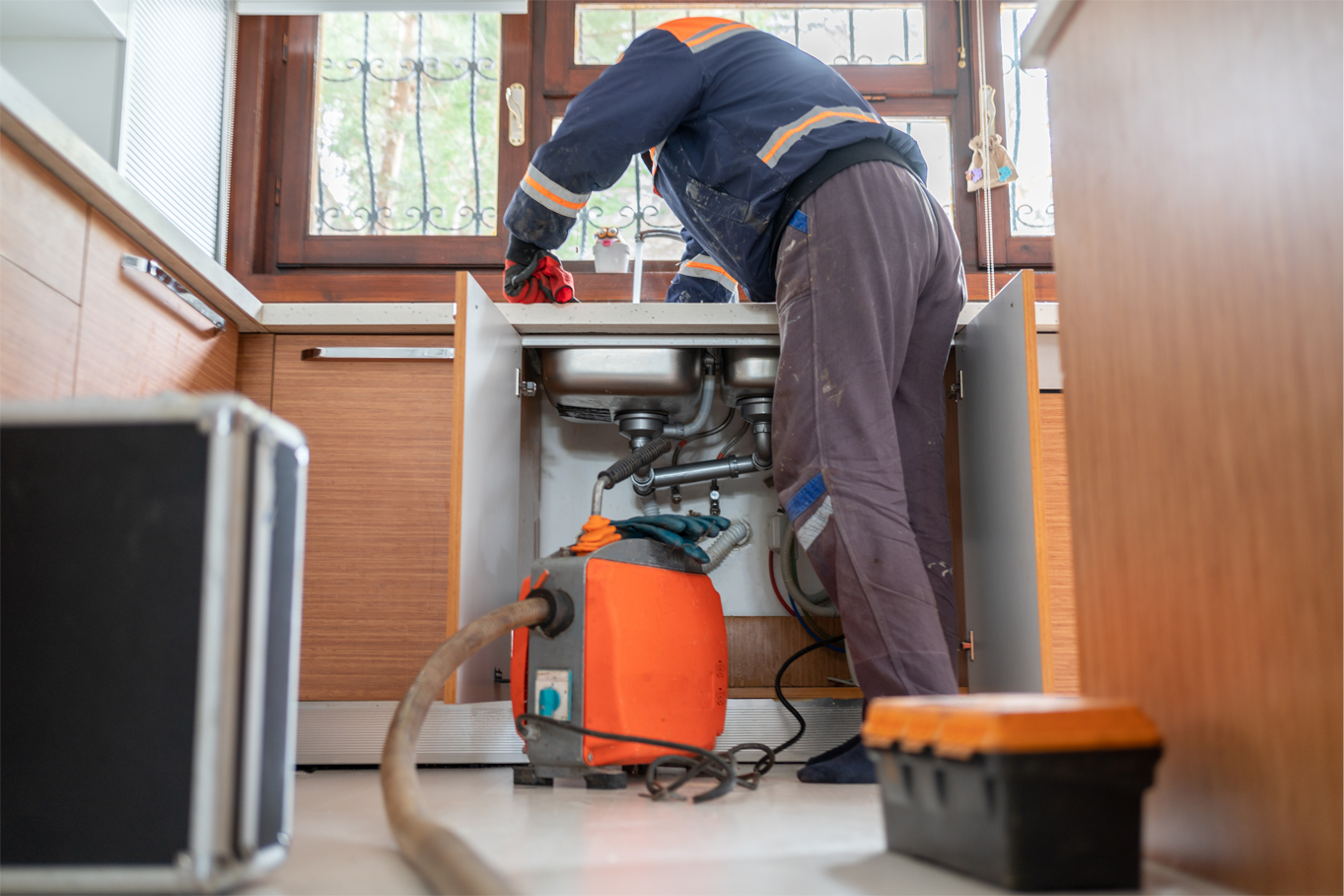
- Professional Drain Cleaning: Consider having your drains professionally cleaned every 1-2 years, especially if you have older pipes or experience frequent clogs. A professional plumber can use specialized equipment to remove stubborn blockages and inspect your pipes for potential problems.
- Address Hard Water Issues: If you have hard water, consider installing a water softener to reduce mineral buildup in your pipes.
- Be Mindful of Tree Roots: If you have trees near your sewer lines, be aware of the potential for root intrusion. Consider having your sewer lines inspected periodically.
When to Call a Professional
While many drain blockages can be resolved with DIY methods, it’s important to know when to call a professional plumber:
- Persistent Clogs: If you’ve tried various methods to clear a clog and it keeps returning.
- Multiple Clogged Drains: If multiple drains are clogged simultaneously, it could indicate a more serious problem in your main sewer line.
- Sewage Backup: If you experience sewage backing up into your drains, this is a serious health hazard and requires immediate professional attention.
- Slow Draining Drains: If your drains are consistently slow, even after trying to clear them.
- Unusual Noises: Gurgling or bubbling sounds coming from your drains can indicate a blockage or other plumbing issue.
By following these preventative measures, you can significantly reduce the risk of drain blockages and keep your plumbing system running smoothly. Remember that prevention is always better (and cheaper!) than dealing with a major plumbing emergency.