Reduce Your Utility Costs: Identifying and Rectifying Hidden Water Leaks
Water leaks, especially the hidden ones, can silently drain your wallet and contribute to unnecessary water waste. Identifying and rectifying these leaks is crucial for reducing your utility costs and promoting water conservation. This guide will help you understand how to find and fix those sneaky water wasters.
Why Hidden Water Leaks Matter
Hidden water leaks are often invisible and can go unnoticed for extended periods. They can occur in various places, including:
- Underground pipes: Leaks in the main water line or irrigation systems.
- Behind walls: Leaks in plumbing within walls, often near showers, toilets, or sinks.
- Under floors: Leaks in pipes running beneath flooring, particularly in basements or crawl spaces.
- Toilets: Silent leaks in the toilet tank or bowl.
These leaks can lead to:
- Higher water bills: Even small leaks can add up to significant water waste and increased costs over time.
- Water damage: Leaks can cause structural damage to your home, including mold growth, rotting wood, and foundation problems.
- Wasted water: Inefficient water usage contributes to environmental concerns and strains water resources.
Identifying Hidden Water Leaks
Detecting hidden water leaks requires a systematic approach. Here are some methods you can use:
1. Check Your Water Meter:
- The Baseline Test: Turn off all water-using appliances and fixtures inside and outside your home. Note the reading on your water meter. Wait for 2-3 hours (or overnight) without using any water. Check the meter again. If the reading has changed, you likely have a leak.
- The Flow Indicator Test: Many water meters have a small, low-flow indicator (often a small triangle or star) that spins when even a small amount of water is flowing. If this indicator is spinning when all water is turned off, you have a leak.
2. Inspect Toilets:
- Dye Test: Add a few drops of food coloring (preferably a dark color) to the toilet tank. Wait 15-30 minutes without flushing. If the colored water appears in the toilet bowl, you have a leak in the flapper valve.
- Listen Carefully: Listen closely to your toilets. A constantly running or hissing sound can indicate a leak.
3. Examine Faucets and Fixtures:
- Visual Inspection: Check all faucets, showerheads, and exposed pipes for drips or signs of moisture. Look for water stains or discoloration around fixtures.
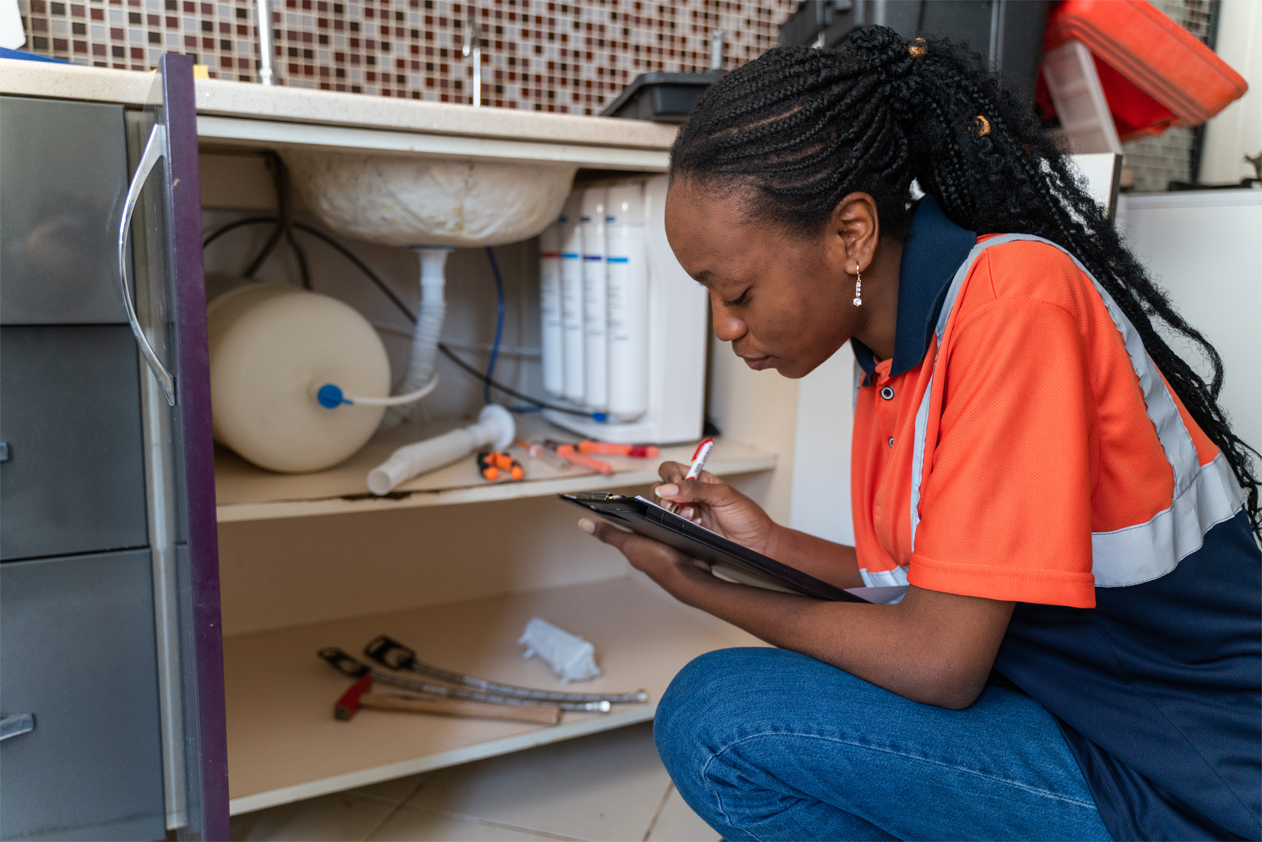
- Under Sinks: Inspect the pipes and connections under sinks for leaks or corrosion.
4. Check Outdoor Areas:
- Irrigation Systems: Inspect sprinkler heads and irrigation lines for leaks or damage. Run your irrigation system and look for areas where water is pooling or spraying excessively.
- Hose Bibs: Check outdoor faucets (hose bibs) for leaks around the handle or spout.
- Waterlogged Areas: Look for unusually wet or soggy areas in your yard, especially near the water line.
5. Look for Signs of Water Damage:
- Mold or Mildew: Check for mold or mildew growth on walls, ceilings, or floors, especially in bathrooms, kitchens, and basements.
- Water Stains: Look for water stains on walls, ceilings, or floors.
- Peeling Paint or Wallpaper: Check for peeling paint or wallpaper, which can indicate moisture behind the surface.
- Musty Odors: A persistent musty odor can be a sign of hidden water damage.
Rectifying Hidden Water Leaks
Once you’ve identified a leak, it’s important to address it promptly. Here are some common fixes:
- Toilet Leaks:
- Replace the Flapper Valve: This is often the culprit for toilet leaks and is a relatively inexpensive and easy repair.
- Adjust the Float: Ensure the float is properly adjusted to prevent the tank from overfilling.
- Replace the Fill Valve: If the fill valve is malfunctioning, replace it.
- Faucet Leaks:
- Replace Washers or O-Rings: Worn washers or O-rings are common causes of faucet leaks.
- Tighten Connections: Ensure all connections are tight and properly sealed.
- Replace the Faucet: If the faucet is old or damaged, consider replacing it.
- Pipe Leaks:
- Tighten Connections: Tighten loose connections with a wrench.
- Apply Pipe Joint Compound or Teflon Tape: Use these materials to seal threaded connections.
- Replace Damaged Sections: If a pipe is corroded or damaged, replace the affected section.
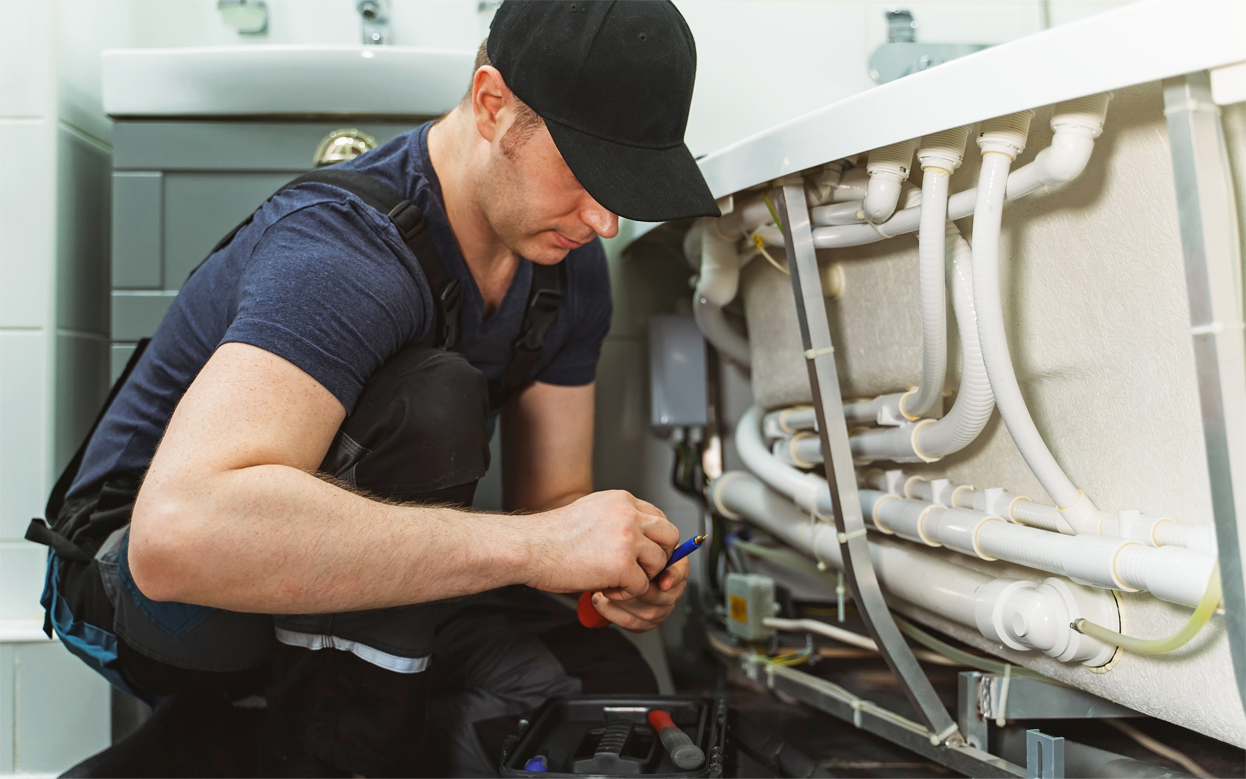
- Call a Plumber: For more complex pipe repairs, it’s best to call a qualified plumber.
- Irrigation System Leaks:
- Replace Damaged Sprinkler Heads: Replace broken or damaged sprinkler heads.
- Repair Leaks in Irrigation Lines: Use repair couplings or clamps to fix leaks in irrigation lines.
- Adjust Sprinkler Heads: Ensure sprinkler heads are properly adjusted to avoid overwatering or spraying onto non-landscaped areas.
When to Call a Professional
While some leaks can be fixed with DIY methods, others require the expertise of a professional plumber. Consider calling a plumber if:
- You can’t locate the source of the leak.
- The leak is in a difficult-to-reach area.
- The leak involves complex plumbing repairs.
- You’re uncomfortable working with plumbing.
- You suspect a leak in the main water line.
Preventative Measures
Preventing water leaks is just as important as fixing them. Here are some preventative measures you can take:
- Regular Inspections: Regularly inspect your plumbing fixtures and appliances for signs of leaks.
- Maintain Your Plumbing System: Flush your water heater annually to remove sediment. Insulate pipes to prevent freezing.
- Use Water-Efficient Appliances: Install water-efficient toilets, showerheads, and faucets.
- Monitor Your Water Bill: Pay attention to your water bill and investigate any sudden increases in usage.
By taking proactive steps to identify and rectify hidden water leaks, you can significantly reduce your utility costs, conserve water, and protect your home from water damage. Regular maintenance and vigilance are key to keeping your plumbing system in good working order and preventing costly surprises.